How Canada Wins At Trade
For the third week of the Gloves Off podcast, host Stephen Marche is asking: “How Canada Wins at Trade.” If you haven’t heard the episode yet, check it out here.
How Canada Wins at Trade
|
Throughout their eight-week podcast run, The Canadian Shield Institute is supporting the Gloves Off team with policy and economic research. And we think that before you try to come up with a strategy for how Canada can win, you need to answer a much more basic question: “Where are we at with trade right now?”One answer to that question is documenting the various deals that Canada has already inked in the past year. That was our Variable Geometry map that we published last week. (Don’t know what “variable geometry” means? No sweat, we’ve got a blog for that.) But the deals are also forward-looking, in a way. But what’s already happening out there in the global economy? We are just now starting to get a preliminary view of the data, and here are four charts of the picture that’s starting to come into focus. It’s still early days and the data lags and will be updated, but Canada isn’t doing as badly as we thought. When the trade war hit last year, there were grand predictions of a sharp economic downturn for Canada. That didn’t happen. Instead, Canada made up for the drop in exports to the U.S. with an increase in exports to every other jurisdiction around the world. |
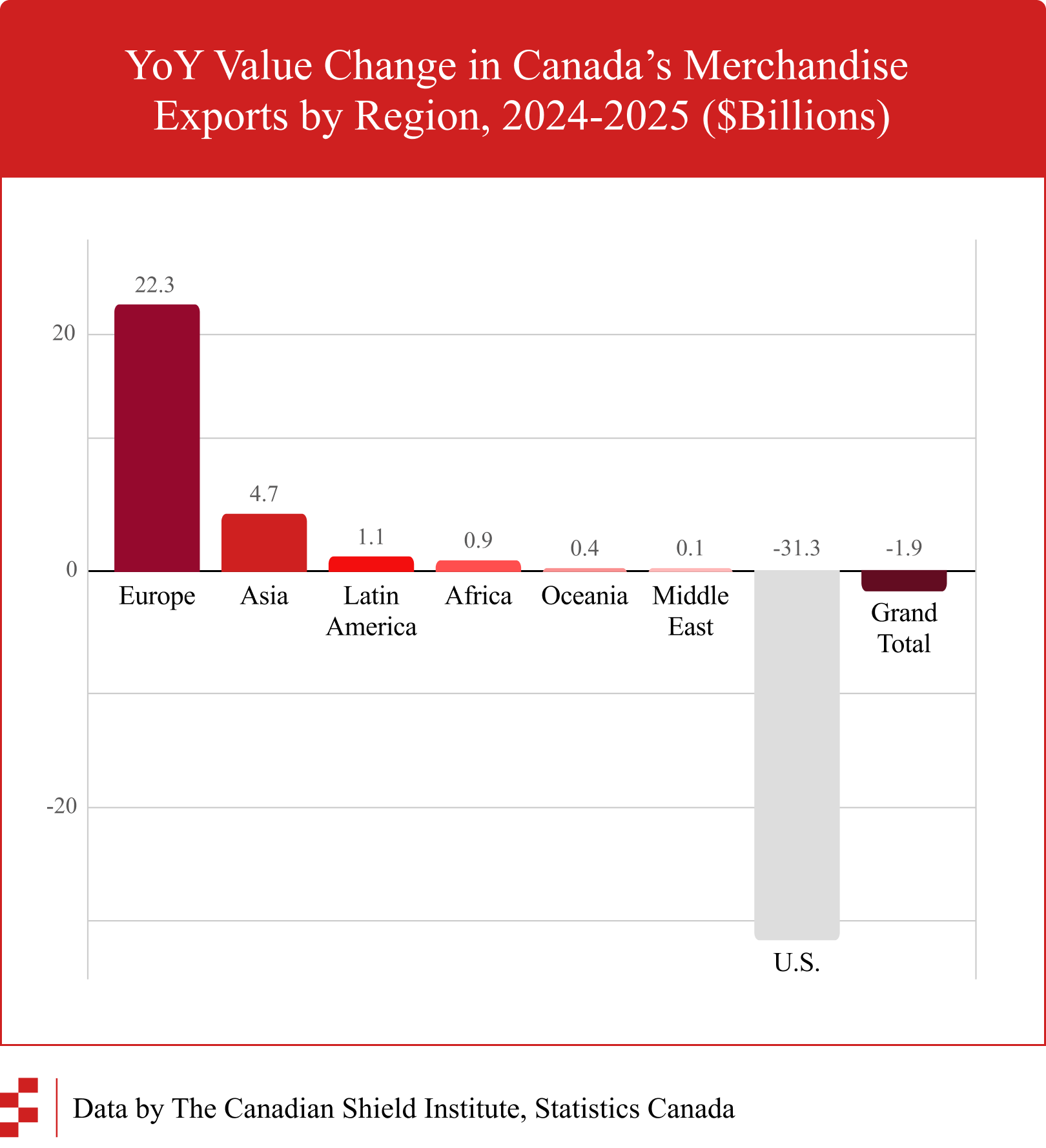
The increase in the price of gold certainly played a part in boosting export values, but the broader pattern shows that Canada is agile enough to shift trading patterns in response to external shocks.
Canadian merchandise exports to the United States fell by more than $30 billion in 2025—a decline of just over 5 percent. Yet this drop was almost entirely offset by a corresponding $29 billion increase in exports to non-U.S. markets. Europe alone accounted for over $22 billion in new demand (about 50% of that increase was gold), while Asia, Latin America, and Africa all posted meaningful gains. What emerges is not a story of contraction, but of substitution—Canada didn’t export less, it exported elsewhere.
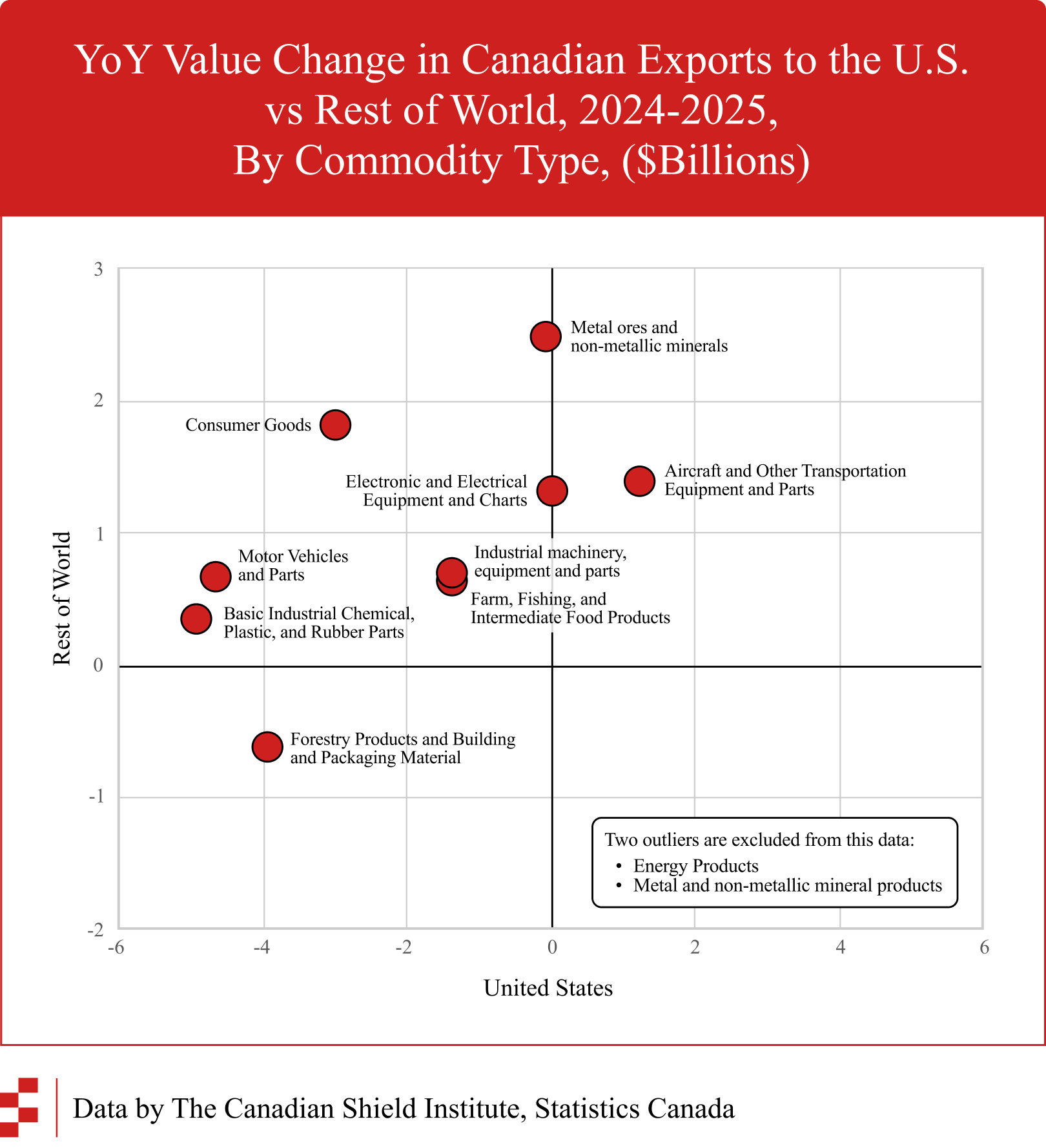
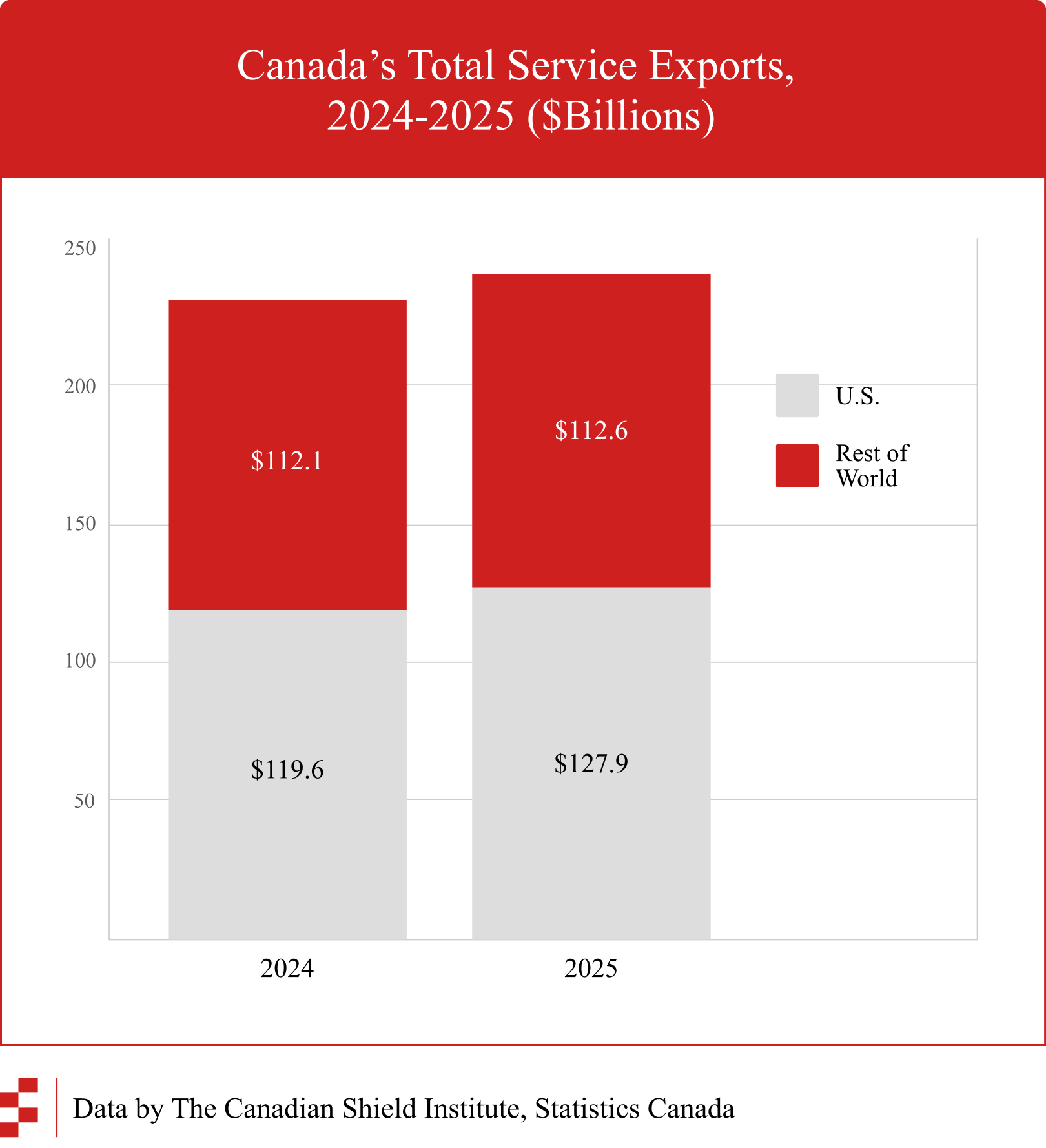
Add in services exports, which actually grew in 2025 (to both the U.S. and Europe), and Canada’s total exports increased by about $6.9 billion despite all the volatility.
We talked about this, and what a middle powers trade strategy looks like, in Cross Check this week. It was a great chat with Stephen Marche and Jon Shell. Listen to that lively conversation here:
Cross Check: How Canada Wins at Trade
And for an even deeper dive on the themes discussed in Cross Check, we have additional analysis in our post on Canada’s Automotive Value Problem in Four Charts.
In the News
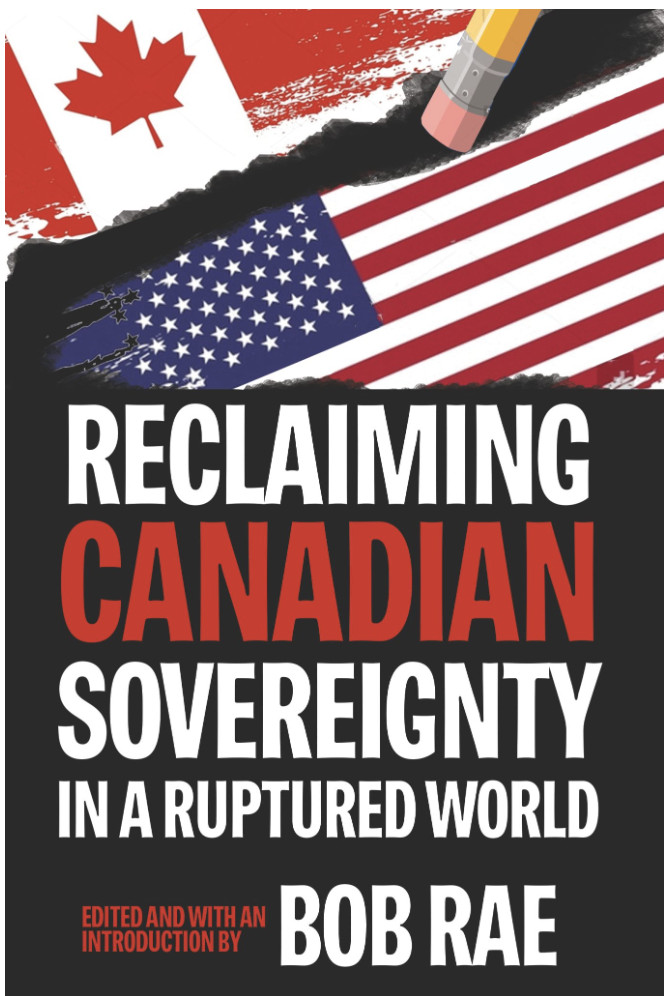
AVAILABLE FOR PRE-ORDER – Former Canadian ambassador to the United Nations Bob Rae’s edited collection of essays, Reclaiming Canadian Sovereignty in a Ruptured World, is now available for pre-order from (Canadian publisher) Lorimer Press. There are two chapters from our Institute in it. The book comes out September 9th. Order here.
OFFICE OF THE PRIVACY COMMISSIONER OF CANADA – It became public this week that our shop is a recipient of a research grant from the Privacy Commissioner’s office. We’ll publish in 2027. Read about all the projects here.
Song of the Week
With Canada and the United States currently squabbling over who gets what from an actual bridge, it felt like the right week for Bahamas’ “The Bridge.”
The Canadian singer’s sweet, slightly woozy song is a gentle reminder that bridges are generally meant to connect people… not become extremely expensive props in a cross-border power struggle. Consider this a small musical contribution to bilateral relations.

Subscribe to